When people hear the word "diet," they think of counting calories.But on a ketogenic diet (or keto, as it is also called), you do not have to waste time on this activity.Keto is a special high-fat, low-carb diet that puts the body into a state of ketosis, which means it uses stored fat deposits for energy.
During keto (that means 2-3 weeks) you can consume only 20-50 g of carbohydrates per day, but the body should get from 60 to 80% of all calories from fats.Studies have shown that this low-carb diet is effective for weight loss, type 2 diabetes, polycystic ovary syndrome (PCOS), acne and epilepsy.It is also useful for various forms of cancer and Alzheimer's.
Advantages and disadvantages of the ketogenic diet
The main advantage of the ketogenic diet is that it really helps you lose weight, reduces the level of bad cholesterol and increases the amount of healthy cholesterol.When the body uses its own fat reserves for energy, appetite often decreases (this process may have been built into humans during evolution to help them survive times of famine).In addition, fats are digested much more slowly than carbohydrates and prolong the feeling of fullness between meals.
But, as with any other diet, keto has its drawbacks.After that you may notice side effects: bad breath, headache, nausea and fatigue.The symptoms that appear in the first days of keto often resemble the condition at the beginning of the disease.Loss of energy and a feeling of fatigue appear due to a sharp drop in blood sugar, but after 24-48 hours there is no trace of it.
During keto, you may experience bloating or constipation, and urination may also increase during ketosis.Since a ketogenic diet requires you to eat only certain food groups, you risk developing nutritional deficiencies that can make your hair and nails brittle.
Many patients believe that after completing a course of diet nutrition, they will easily return the lost kilograms.This can be avoided by avoiding carbohydrates and trying to eat low-carb foods.

What foods can you eat on keto?
The ketogenic diet helps you lose weight, control your blood sugar and solve health problems.As you already understood, by choosing it, you have to eat exclusively fatty foods.But no, we're not talking about burgers and battered onion rings—you're just looking for healthy fats!Where can I get them?You won't believe it, but with keto you can eat tasty, satisfying and varied, while the low-carb foods you eat for the next 2-3 weeks (as a rule, ketosis starts on the 7th day of the diet) are easy to get in supermarkets.To get the most benefits and reduce the side effects of dietary restrictions, eat the following 15 foods regularly.
Fish and seafood
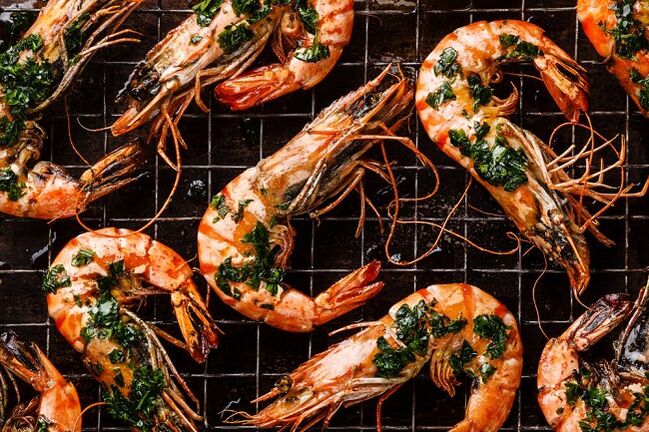
Perhaps fish and seafood are the best sources of vitamins, minerals and omega-3.At the same time, in many seafood there is either a negligible amount of carbohydrates or none at all (for example, in shrimps).If we talk about the most popular products, 100 g of mussels contains 5 g of carbohydrates, octopus and oysters - 4 g each, squid - 3 g.By the way, frequent consumption of fish reduces the risk of developing various diseases and improves mental health, so try to eat it at least twice a week.
Low carb vegetables
Vegetables are nutritious and versatile foods, the main thing is to choose those that do not contain starch.On average, a serving of non-starchy vegetables contains 1 to 8 grams of carbohydrates.Therefore, you can safely include zucchini, cabbage, celery and cherry tomatoes in your diet.
Cheese
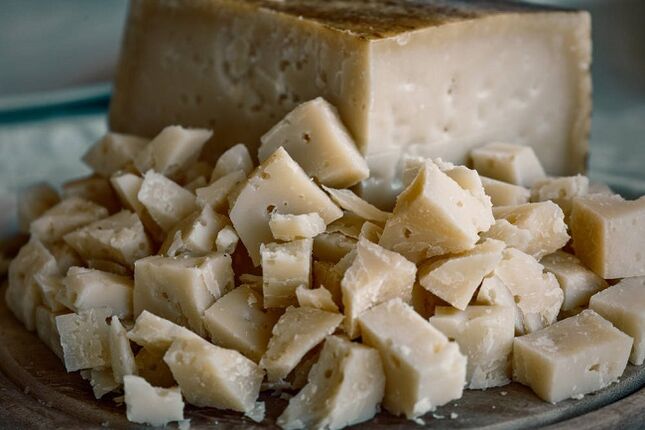
There are hundreds of types of cheese, and luckily they are all low-carb and high-fat, making them very suitable for a ketogenic diet.Cheese is rich in protein, calcium and healthy fatty acids.In addition, eating cheese regularly can help reduce the muscle loss experienced by older adults.
Avocado
One serving of avocado contains 2 grams of net carbohydrates, lots of fiber, and several nutrients, including potassium.In addition, the avocado helps support heart function, lowers cholesterol levels and affects triglycerides in the body.By mixing it with spices, you can get an excellent dressing for vegetable and fish dishes.
Meat and poultry
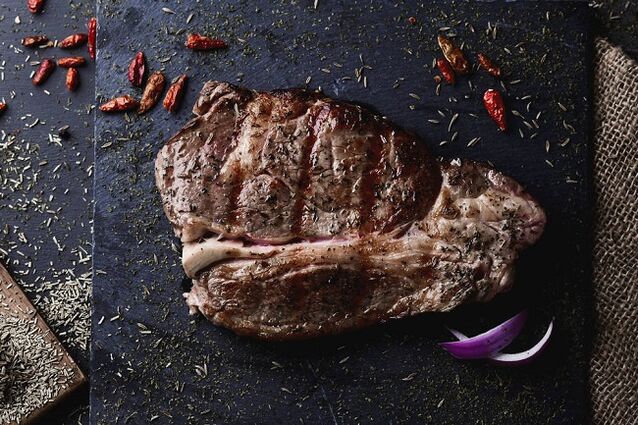
Meat and poultry are considered staple foods on a ketogenic diet.They contain no carbohydrates and are rich in vitamins such as vitamin B and minerals including potassium, selenium and zinc.Meat and poultry are also an excellent source of high-quality protein, which many studies show helps maintain muscle mass during a low-carb diet.
Eggs
Eggs are one of the healthiest and most versatile foods on our planet.One large egg contains less than 1 gram of carbohydrates and about 6 grams of protein, making eggs an ideal food for people on keto.In addition, eggs affect the production of hormones that prolong the feeling of fullness and maintain blood sugar levels, resulting in a noticeable reduction in the total calorie content of food eaten in a day.
By the way, it's important to note that you need to eat the whole egg, not just the white - the yolk contains the most nutrients, including the antioxidants lutein and zeaxanthin, which help maintain eye health.
Coconut oil
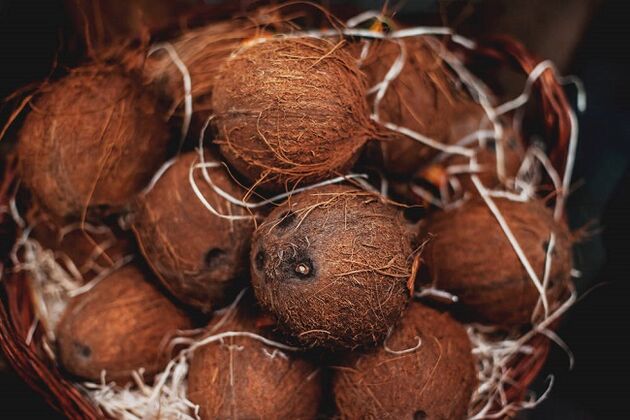
Coconut oil contains medium chain triglycerides (MCTs).Unlike long-chain fats, MCTs are absorbed directly by the liver, later converted into ketones or become a source to quickly obtain the necessary energy.
In addition, coconut oil increases metabolism, promotes weight loss, and removes belly fat deposits.It is important that it is of high quality - cheap products contain many perfumes and additives.
Plain Greek yogurt and cream cheese
Regular Greek yogurt and cottage cheese are healthy, high-protein foods.And although they contain some carbohydrates, they can still be included in your diet on a ketogenic diet.150 g of Greek yogurt contains 5 g of carbohydrates and 11 g of protein.The same amount of cottage cheese provides 5 g of carbohydrates and 18 g of protein.By the way, studies have shown that yogurt and cottage cheese help reduce appetite and promote a quick feeling of fullness.
Olive oil
Olive oil is high in oleic acid, a monounsaturated fat that has been found to reduce risk factors for heart disease, as well as high in antioxidants known as phenols.These compounds additionally protect the heart, reduce inflammation in the body and improve arterial function.Olive oil is ideal for salad dressing, mayonnaise and added to cooked food.

Nuts and seeds
Frequent consumption of nuts reduces the risk of heart disease, various types of cancer, depression and other chronic diseases.In addition, nuts and seeds contain a large amount of fiber.But the amount of carbohydrates in them varies.The least amount of them is in pecans and Brazil nuts - only 1 g per serving (30 g), in walnuts and macadamia nuts - 2 g, in almonds and sesame seeds - 3 g, in pumpkin seeds - 4 g, in pistachios - 5 g, in cashews - 8.
Berries
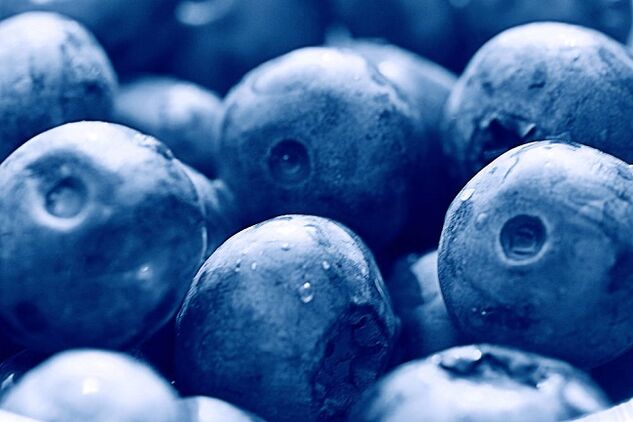
Most fruits are too high in carbohydrates, so you need to avoid them during the ketogenic diet.Another thing is berries.They are rich in nutrients that reduce the risk of developing a wide variety of diseases.A 100g serving of berries provides 5-12g of net carbohydrates.For example, in blackberries there are only 5 g, in blueberries - 12 g, in raspberries and strawberries - 6 g each.
butter and cream
Butter and cream are low-carb foods.Research has shown that, contrary to popular belief, they have neutral or positive effects on the heart when consumed in moderation.
Olives
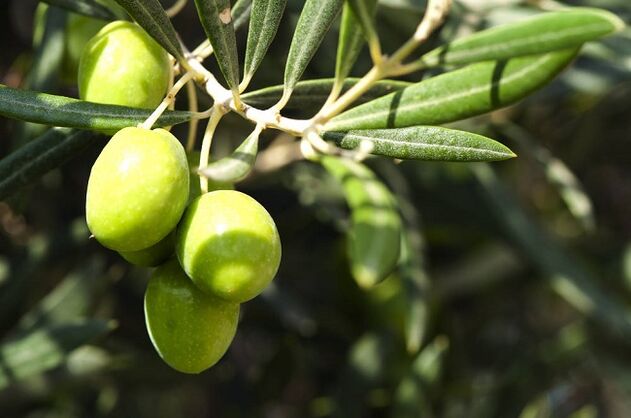
One serving of olives (about 28 g) contains 2 g of carbohydrates, of which 1 g is fiber.They are rich in oleuropein, an antioxidant that protects the heart.Eating olive oil helps prevent bone loss and lower blood pressure.
Unsweetened coffee and tea
Unsweetened coffee and tea do not contain carbohydrates.Because of caffeine, they can speed up metabolism, improve physical performance, alertness and mood.They can also reduce the risk of developing diabetes.Avoid coffee from the series "3 in 1" and tea bags - as a rule, manufacturers add milk powder and high-carbohydrate flavors.
Dark chocolate and cocoa powder
Yes, the ketogenic diet allows you to eat dark chocolate (at least 70%) and wash it down with cocoa.This is because these foods are excellent sources of antioxidants.Cacao contains about the same amount of them as blueberries and acai berries.But dark chocolate contains flavanols - biologically active substances that reduce the risk of heart disease.30 g of unsweetened chocolate contains only 3 g of net carbohydrates, while chocolate with sugar contains 10 g.